Ice sheets in Greenland, Antarctica melting faster than previously thought, research shows
William Brangham:
This international study, which compiled satellite measurements over time, depict what one researcher described as a — quote — "devastating trajectory."
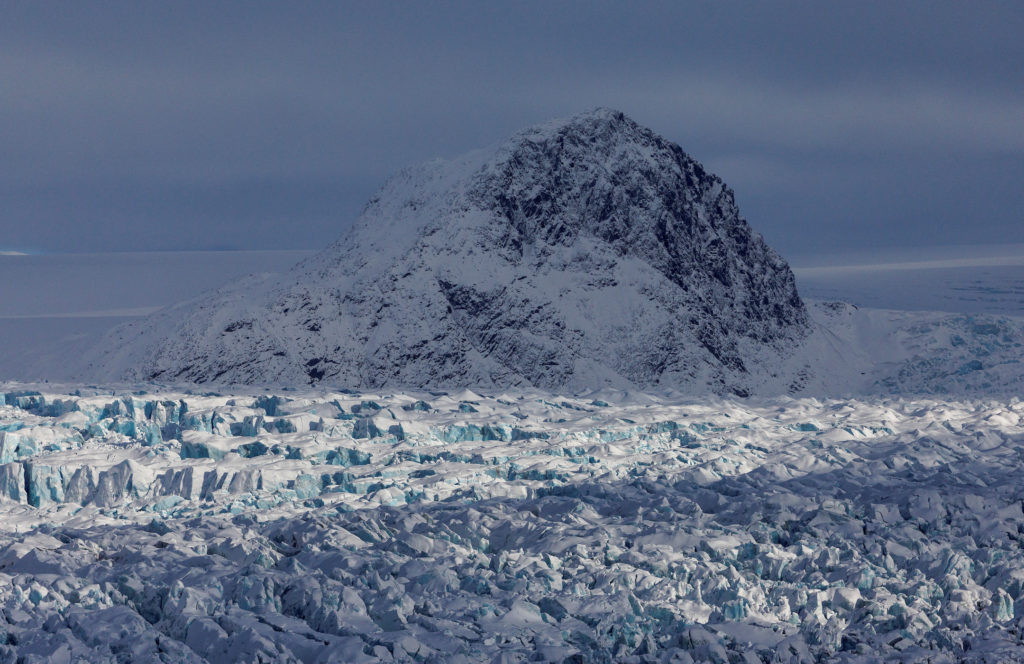
In the early to mid 1990s, the ice sheets on Greenland and Antarctica were losing on average about 116 billion tons of ice per year. But, in recent years, that annual loss has more than tripled to 410 billion tons of ice. As all that ice ends up in the oceans, it's driving sea level rise to an even greater extent.
For more on the implications of this study, we're joined by Twila Moon. She's the deputy lead scientist at the U.S. National Snow and Ice Data Center. She was not involved in this most recent study.
Twila Moon, great to have you on the "NewsHour."
You are the researcher that I quoted there is describing this as a — as a devastating trajectory. Can you explain why it feels that way to you?
Twila Moon, Deputy Lead Scientist, U.S. National Snow and Ice Data Center: This is something where, as we're losing ice around the world, the biggest impacts are felt by those people who are actually far from this ice and living in coastal regions in North America, Asia, Africa, all around the world.
And so seeing this continued rise in ice loss is really not good news for dealing with sea level rise. But I do want to be clear that this is not an inevitable trajectory either.
ncG1vNJzZmivp6x7sa7SZ6arn1%2Bjsri%2Fx6isq2ejnby4e8icnGarmJqytb%2BMoqVmn6Kasq%2B4wKebZpmeqa6zr9OimpplnZq5tbXNoGSfmaOpsrN506GYp2Wgp7K3tc6uqqWxXam1sMHGoatmqpWosqK%2BwqFkrKCfrMA%3D